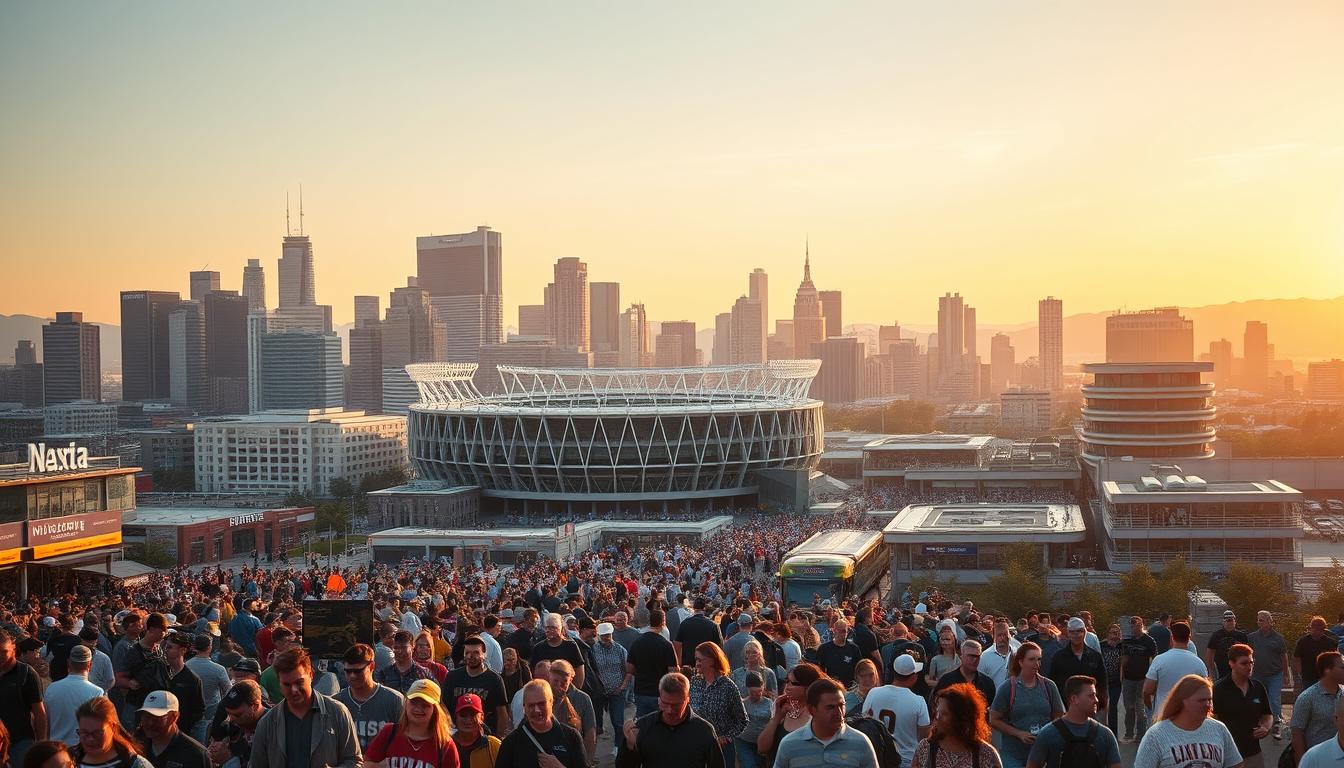
Imagine Detroit, a city struggling with water bills, yet welcoming 775,000 visitors for the NFL Draft. This is the magic of sports events. They turn bankrupt cities into temporary economic wonders.
World Cup stadiums become Trojan horses for infrastructure. Barbados saw a 27% tourism boost after a marathon. Cities now bet on “build it, and they’ll Venmo” with global events.
FIFA’s $5 billion investment isn’t just for soccer. It’s a lesson in economic alchemy. It turns buildings into hotel rooms and boosts airport taxes.
The Super Bowl turned Minneapolis’ parking lots into $400/night Airbnbs. Rio’s Olympics had a $5 billion budget, yet tourism rose 17%.
Barbados saw visitor numbers soar after a marathon, like Steph Curry’s three-pointers. Showing your city on TV is better than any brochure. Today, cities aren’t just hosting games—they’re competing for “The Bachelor: Destination Edition.”
Introduction: Tourism Meets Sports
Cities are now using sports events to boost tourism. Stadiums are not just for games anymore. They are becoming key players in destination marketing.
Imagine a Packers game turning into a big economic win. Or how cities see sports events as a way to attract tourists. It’s like finding love through athletic events.
Rio’s 2016 Olympics showed how sports can engage cultures. Six million visitors enjoyed museums and street parties. This was a huge PR win for the city.
But the Super Bowl is different. It brings 1 million visitors who spend $500 million in just one weekend. This shows the Super Bowl’s power in boosting tourism.
Is it just a fling or a long-term relationship between cities and tourism? Indianapolis built hotels for the NFL Combine. Now, they host anime conventions. Wimbledon’s strawberry sales are just a small part of the bigger picture.
It’s all about finding the right balance. Rio’s Olympic Village is now half-empty. But Minneapolis’ Super Bowl LII investments improved transit systems. It’s like choosing between a fireworks show and a new power grid.
Understanding Visitor Profiles and Their Spending
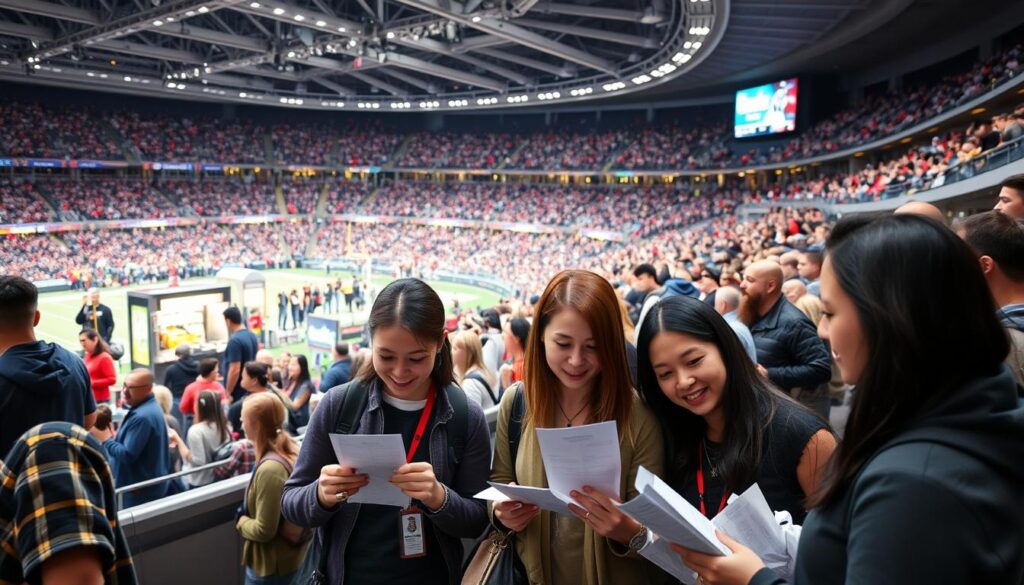
Imagine a cycling enthusiast spending $1,200 on Burgundy wine tours during the Tour de France. They even use a coupon for their Airbnb. On the other hand, a WNBA fan streams games tax-free and spends $85 on merch. This shows the sports fan wallet paradox, where spending doesn’t always make sense.
The Sports Fan Wallet Paradox
Why do we pay high prices for stadium food? It’s the “Hot Dog Index” at work. Fans pay a lot for hot dogs at MLB games but complain about $5 parking. This is also seen in the Tour de France, where fans spend a lot on local goods but save on small things.
Studies show a split in spending habits:
- Premium experiences (luxury suites, VIP access): 22% annual growth
- Basic amenities (parking, program books): 3% decline
From Hot Dogs to Hotel Suites
Let’s look at some numbers. Compare two events:
| Expense Category | Little League World Series | Super Bowl Weekend |
|---|---|---|
| Average Food Spend | $14.50 | $287 |
| Lodging Upgrade Rate | 6% | 41% |
| Local Business Impact | Lemonade stands | Champagne rooms |
The WNBA’s streaming data shows fans spend a lot on jerseys and snacks. It’s not just about the game. It’s about the story they’re buying into. As Anthony Bourdain said, “Your nachos are never just nachos – they’re a $12.50 investment in belonging.”
How Events Drive Room Nights, Dining, and Attractions
Sports events don’t just fill stadiums; they turn cities into economic powerhouses. Think of a basketball game as a hotel’s cash register ringing nonstop for 72 hours. Fans trading foam fingers for room keys and nacho cheese for steak dinners is the real magic.
The Hotel Revenue Hat Trick
In 2014, Brazil’s World Cup saw hotels hit 92% occupancy rates. London’s 2012 Olympics boosted accommodation revenue by £520 million ($680 million). This shows that event tourism is more than a theory; it’s a slam dunk for capitalism.
Take a Cleveland Cavaliers fan who came for LeBron’s jersey retirement and stayed for:
- 3 nights at a downtown Hilton
- 4 craft beer flights at local breweries
- 1 accidental Rock & Roll Hall of Fame tour
Beyond the Concession Stand
Event spending goes beyond stadium walls. That $12 beer is just the start. Spending flows into:
| Expense Category | Pre-Game | Post-Event | Next Morning |
|---|---|---|---|
| Transportation | Uber surge pricing | Bar hopping shuttles | Airport transfers |
| Dining | Pre-game steakhouses | Late-night pizza | Brunch reservations |
| Entertainment | Team merch | Karaoke bars | Museum tickets |
This economic effect turns sports weekends into a GDP growth spurt. When 50,000 fans visit a city, their spending powers the entire hospitality industry.
Marketing a Destination Through Sports
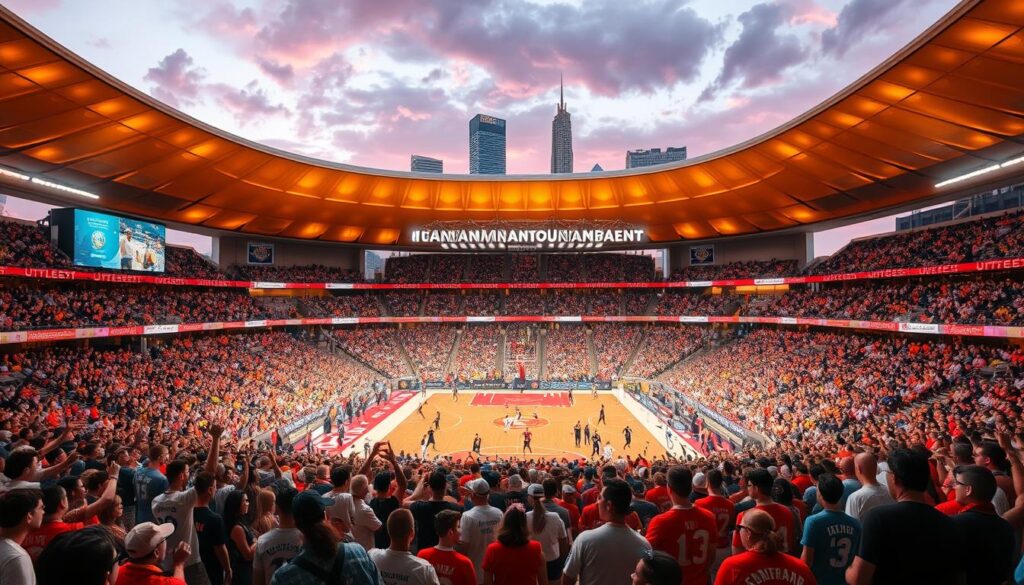
Why spend on billboard ads when you can use 50,000 walking billboards? Today, destination marketing uses soccer jerseys and TikTok trends instead of old ads. It turns stadiums into storyboards and fans into promoters.
Jerseys as Billboards
Croatia’s 2018 World Cup didn’t just win games—it rebranded the country. Their jerseys became a hit, boosting Dubrovnik hotel searches by 217%. This was way more effective than traditional ads.
South Africa spent $3 million on ads in 2010 but saw no viral impact. Yet, both countries saw a 15% tourism increase. The jersey strategy is the clear winner.
| Marketing Method | Cost | Reach Duration | Estimated Views |
|---|---|---|---|
| Stadium Billboards | $500k/event | 4 hours | 50k |
| Social Media Ads | $200k/month | 30 days | 2M |
| Jersey Branding | $0 (organic) | 5+ years | 500M+ |
| Smartvel Event Calendar | Tech investment | Ongoing | Customizable |
The Instagram Stadium Effect
Osaka’s Hanshin Koshien Stadium shows you don’t need a big budget. A TikTok of flying tuna rolls got 18M views and a 42% increase in MLB Japan Tour interest. This beats traditional ads any day.
Authenticity wins over ad spending. When Barcelona’s Camp Nou becomes a selfie spot or Milwaukee’s Fiserv Forum is a cheese curd tour, you’re making free ads. Smartvel’s event calendars help plan these moments. It’s a game-changer for cities.
Successful Tourism-Sports Synergies: Mini Case Studies
Beach marathons and youth baseball tournaments are more than just sports events. They are economic engines that boost local economies. Let’s look at two examples: a tropical marathon in Barbados and a baseball tournament in Indianapolis.
The Barbados Marathon Miracle
Imagine a Caribbean island swapping rum for protein shakes. The Run Barbados Festival turned visitors into fitness enthusiasts. It did this by making the event a community based sports tournament with yoga and fun runs.
After the event, 63% of visitors stayed longer to enjoy wellness activities. Hotels started selling “recovery packages” with seaweed wraps and jerk massages. Gym memberships in the area tripled, showing that sports can beat the tourist slump.
Indianapolis’ Field of Dreams
Monaco goes for Formula 1 glamour, but Indianapolis focuses on youth sports. They turned empty spaces into sports venues, hosting over 500 events a year. Hotels near the Indianapolis Sports Complex now have 78% occupancy, beating Las Vegas.
The city’s sports strategy shows the power of sports. 12 soccer parents spending $1,200 a day can beat one luxury traveler’s $800. This is true sports event community development.
Here’s the key takeaway: size doesn’t matter. Barbados’ marathon, with 3,000 participants, brings in as much as Monaco’s Grand Prix. Sometimes, the best results come from unexpected places.
What Happens When Events Leave?
What do cities get after the final whistle? The answer is between Athens’ old Olympic diving platforms and London’s Queen Elizabeth Olympic Park. It’s about economics of abandonment versus adaptation.
Stadium Ghost Towns vs. Legacy Venues
Athens’ 2004 Olympic complex looks like a dystopian film set. Weeds crack concrete where Michael Phelps swam. A study found 90% of its venues are unused, costing taxpayers €1 billion in upkeep.
London, on the other hand, turned its Olympic Stadium into a space for Premier League matches and Beyoncé concerts. The key? A smart economic multiplier sports events plan.
Rio de Janeiro shows a different side: favela tourism grew 22% after the 2016 Olympics. Visitors sought real experiences beyond Maracanã Stadium. It turns out, infrastructure investments can lead to profitable side hustles.
The Post-Event Playbook
To avoid becoming a ghost town, cities need three steps:
- Design chameleon venues: Nashville’s Nissan Stadium hosts NFL games and CMA Fest concerts
- Bake in mixed-use zoning: Atlanta’s Centennial Yards turned Olympic housing into tech offices
- Create year-round programming: Indianapolis’ Lucas Oil Stadium runs e-sports tournaments between Colts games
When events leave, cities call urban planners with spreadsheets. Measuring economic impact sporting events is more than ticket sales. It’s about creating venues that keep hosting long after the main event is over.
Maximizing Tourism ROI
Imagine cities managing sports tourism like stock traders. It’s not just about filling seats. It’s about turning every moment into economic growth. Let’s see how places are making the most of visitor dollars.
The Smartvel Effect
Think of a concierge that knows you want Cuban sandwiches before you even get hungry. Smartvel’s AI does just that for sports fans. It looks at:
- Real-time spending at concession stands
- Social media check-ins
- Hotel booking trends
At the 2022 FIFA World Cup, cities using Smartvel saw 22% longer stays. Why? They suggested post-match cooking classes to fans who just posted stadium nachos. It’s smart capitalism.
Tax Dollar Slam Dunks
Nashville’s NHL strategy shows tax investments can pay off big. Their secret?
- 1% hotel tax for arena upgrades
- Local business booking priority
- Free transit with game tickets
| City/Event | Tax Strategy | ROI |
|---|---|---|
| Nashville Predators | Targeted infrastructure bonds | $3.10 per $1 invested |
| FIFA World Cup 2026 (Projected) | Temporary tourism surcharges | 14% annual revenue boost |
| Generic Motorsports Festival* | Blanket sales tax increases | 0.89¢ return |
*Name changed to protect poorly advised municipalities. The lesson? Smart tax moves boost local economies. Dumb ones? They’re like buying NFTs at peak hype.
Conclusion
Hosting sports events is like a temporary boost for cities. The Barbados Marathon brought in $12 million last year. Indianapolis turned empty lots into $300 million hospitality hubs.
These examples show the lasting impact of sports tourism. It’s like the lingering smell of nachos in a stadium bathroom.
Now, cities plan their tourism like fantasy football managers. They must choose between big events that cost taxpayers or smaller tournaments that fill hotels all year.
The 2017 Miami Formula 1 event and Omaha’s College World Series show the difference. Reliable, steady wins often beat flashy, short-term events.
Future plans might include eSports arenas and pickleball resorts. These could become co-working spaces or places for sponsored matches.
Youth sports tourism is growing fast, reaching $30 billion. Cities must decide to build new facilities or use old ones like Detroit’s auto plants.
The real victory in sports tourism isn’t winning championships. It’s creating lasting economic benefits. Empty seats become coffee shops, and athlete villages become downtown lofts.
In tourism’s big league, the MVP is the infrastructure. It keeps scoring long after the crowd goes home.
