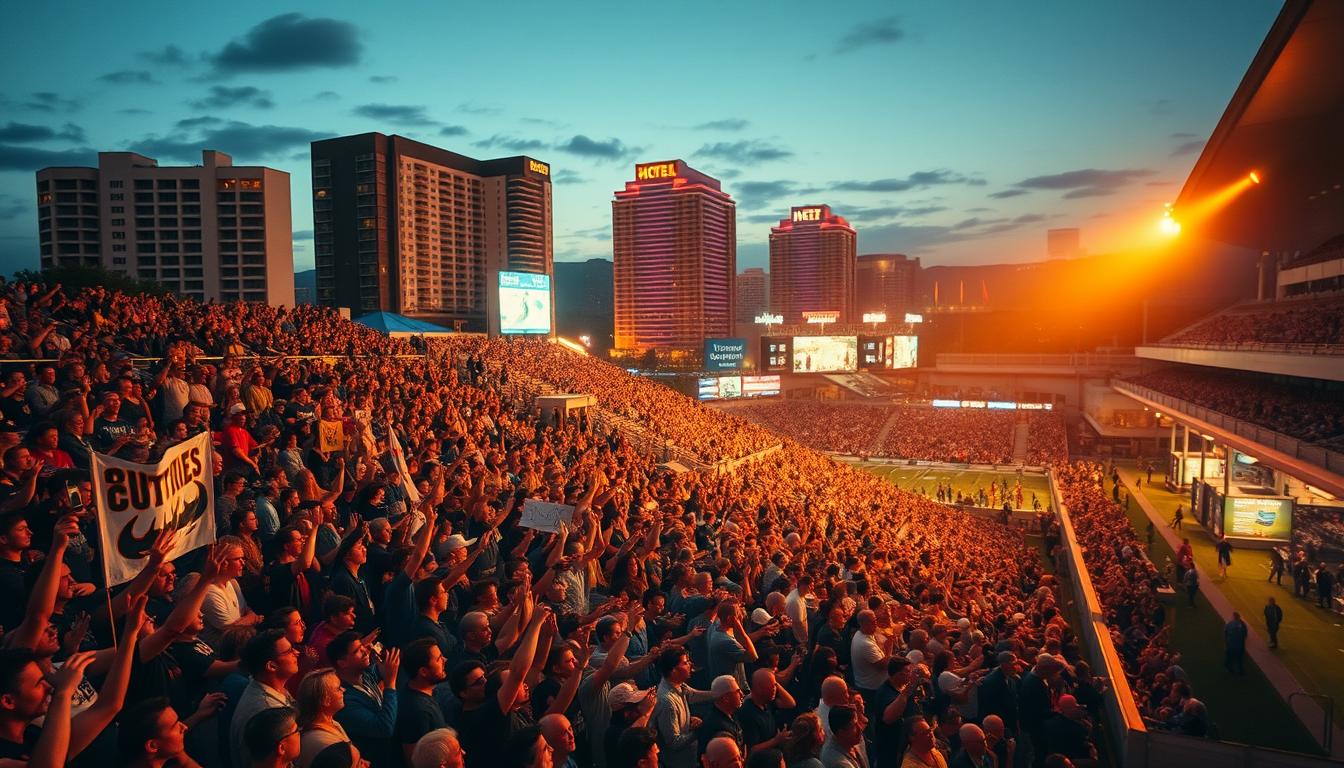
Imagine 45,000 runners filling Chicago’s streets, making more noise than a Taylor Swift concert. The Chicago Marathon doesn’t just leave footprints—it injects $386 million into local businesses. A single weekend can boost a city’s economy more than many see in a year.
It’s not just about ticket sales or vendors. Events like the Olympics are economic boosters. Hotels are full, restaurants are booked solid, and Uber drivers become unofficial tour guides. Even the guy selling water at mile 18 becomes a small business owner.
The magic is in the “ripple effect.” Every dollar spent at the start line helps the local economy. But here’s the twist: these events often lead to lasting changes. Cities improve their infrastructure, restaurants grow, and neighborhoods get a makeover. Research from Oxford University’s Saïd Business shows, major events can change a region’s economy for years.
So, why do we question the value of hosting these events? Maybe we’re focusing too much on the surface. Sporting events can be economic magic, turning sweat and cheers into lasting benefits for the community.
What is the Multiplier Effect?
Imagine your dollar bill moving through a city’s economy like the Electric Slide. This is the economic multiplier in action. It’s like a bar crawl where every drink bought leads to three more.
When a sports event comes to town, money doesn’t just spend. It vibrates through the economy.
Economist Holger Preuss explained it with a simple formula. It’s like “stadium math.” For every beer at the arena, three more are sold elsewhere. Hotel bookings rise, Uber drivers make more, and even street vendors see success.
Preuss’ equation is straightforward:
- Direct spending (tickets, jerseys)
- Indirect ripple (hotel staff wages)
- Induced waves (those staffers buying groceries)
But Brookings Institution throws a challenge flag. Their research shows multipliers aren’t just about spending. A Super Bowl might bring in $500M locally but send $200M to big companies elsewhere. It’s like buying expensive champagne at a cheap bar – some money always leaves the area.
This creates a need for sports economics to be trusted but verified. Preuss’ formula shows promise, but Brookings reminds us to look at the actual spending. The real magic happens when local businesses get the money, like a family-owned taqueria, not a big chain.
Get it right, and that initial spending becomes a viral trend. It’s catchy, contagious, and profitable.
How Spending Cascades Through the Local Economy
Imagine a game of economic pinball. A sports tourist walks in, ready to spend. Their money goes through hotels, restaurants, and shops. It’s not just a trickle-down effect – it’s chaotic cash physics in action.
The Ripple Effect in Action
Follow a marathon runner from O’Hare to the finish line. Their $200 running shoes are just the start. For every runner, three supporters spend money too. Hotels, restaurants, and Uber drivers all benefit.
Chicago’s Bank of America Marathon is more than a race. It’s a $386M economic boost. Even porta-potty suppliers make money.
The real MVP of sports tourism is often overlooked. It’s the bagel shop selling 10,000 carb-loading specials. Or the college student making money with Uber.
London’s 2012 Olympics left a £16.5B legacy. Even East End bakeries benefit from tourism today. Who knew fish-and-chips shops could be Olympic heroes?
The math is clear:
- 1 runner = 3.2 spectators (Third Source marathon data)
- 1 Olympic Games = 1.5M extra UK tourists through 2022 (Second Source)
- 1 local bakery = 400% sales spike during events
Indirect economic benefits turn cities into economic trampolines. Each dollar bounces 2-3 times. Hotel staff, chefs, and farmers all benefit. It’s like a wave, without the beer spill.
Focus on Hospitality: Hotels, Restaurants, Retail
Imagine a hotel during a big sports event. It’s not just about renting rooms. It’s about turning every detail into a way to make money. Let’s look at how visitors become a source of ongoing income.
The Room Key Revolution
Chicago’s marathon weekend shows the way. Hotels were full, but it was more than just numbers. Concierges helped with sports injuries. Ice baths replaced hot tubs. Guests were spending, not sleeping.
Rio’s 2016 Olympics, on the other hand, raised prices too high. Hotels charged $800 a night. This made rooms empty, like a gymnast’s dismount. The lesson is clear: don’t overcharge or guests will find cheaper options.
Beyond the Mini-Bar: Ancillary Revenue Streams
Why just sell a room when you can make more money? Top hotels use these strategies:
- Victory vignettes: Rooftop views at 300% markup
- Recovery retail: $18 compression socks, $45 “I Survived” robes
- Partnership plays: Local breweries making special IPAs
| Metric | Chicago Marathon | Rio Olympics |
|---|---|---|
| Avg. Daily Rate | $289 | $798 |
| Occupancy Rate | 92% | 63% |
| Ancillary Revenue Per Guest | $84 | $22 |
The table shows the difference. Chicago’s fair prices led to more spending. Rio’s high prices left money unmade. Today, hotels are not just places to stay. They are experience architects. And nothing says “personal best” like a $30 protein bar in your room.
Real-World Examples (with Data)
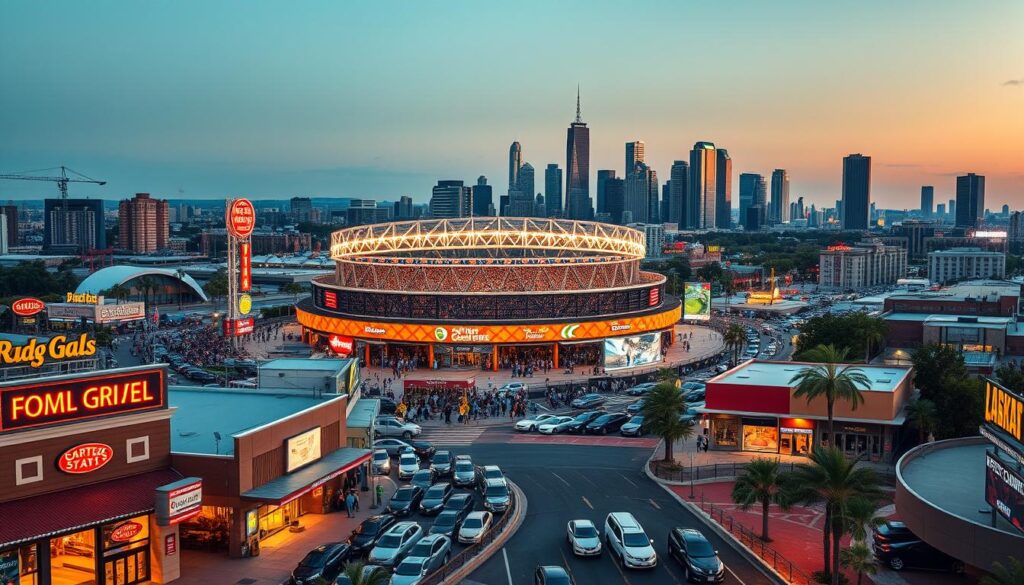
What happens when economic theory meets sports? Let’s look at how three cities made sports event tourism a big win. Chicago’s marathon and Monterey’s cycling events show the economic multiplier in action. They turned tourism into real money for local businesses.
Marathon Economics: Chicago’s $386M Victory Lap
Chicago’s Bank of America Marathon is a big deal. It’s like Michael Jordan for economic multipliers. In 2022, it was a huge success:
- 53,000 runners from 100+ countries (think global, spend local)
- 190% surge in downtown hotel rates during race week
- 27% of visitors extended stays to tourist-hop at museums and deep-dish pizza joints
The result? A $386M economic impact. That’s enough to fund 7,720 years of Netflix for every participant. Not bad for 26.2 miles of running.
Pedaling Profits: Monterey’s Sea Otter Classic
Spandex is big business in Monterey. Their cycling event shows sports event tourism isn’t just for marathoners:
- 75,000 attendees pedaling $45M into local coffers
- Bike shops seeing 300% rental spikes (hello, $100/day e-bikes)
- Food trucks reporting taco sales that could circle the Laguna Seca raceway 12 times
Local B&Bs called it “the Lycra stimulus package.” Riders enjoyed craft beer flights after the race.
And let’s not forget Barcelona’s Olympic legacy. Their 1992 investments in infrastructure are now a big part of their tourism. It’s a lasting success.
How to Maximize Local Gains: Tips for Stakeholders
Let’s cut through the noise: turning sports tourism into economic fuel isn’t about luck—it’s about playing chess while everyone else plays checkers. If stadiums were casinos, local businesses would need to become card counters. Ready to learn the house rules?
The Art of Capturing Tourist Dollars
Boulder didn’t become America’s fitness playground by accident. Their secret? Building trails so addictive, visitors pay to suffer through mountain climbs. The city’s 300-mile trail network now drives $94M annually in tourism revenue—proving infrastructure isn’t just concrete, it’s currency.
Three rules for community based sports tournaments that stick:
- Think beyond the bleachers: Convert parking lots into pop-up markets
- Time it like Broadway: Schedule events during shoulder seasons
- Marry sweat to spend: Partner trail apps with local coffee roasters
Partner or Perish: Cross-Industry Plays
When craft brewers sponsor marathon hydration stations, or physical therapists team up with Airbnb hosts for post-race recovery packages, magic happens. These PPP models (Public-Private-Painkillers, anyone?) create economic Velcro—money sticks where friction exists.
| Industry | Sports Tie-In | Revenue Boost |
|---|---|---|
| Local Breweries | Post-race tasting tents | +22% sales (Monterey model) |
| Retailers | GPS-art running routes | +17% foot traffic |
| Hotels | Recovery room upgrades | +$45/night premium |
The real win? Turning visitors into repeat customers. When Chicago’s marathoners started getting discounted deep-dish pizza with their race bibs, participation rates jumped 14%—and 63% of runners returned as tourists. Now that’s how you bake a local economy.
Avoiding Pitfalls: Leakage and Overestimation
Let’s play economic detective – because nothing kills a good multiplier sports event story faster than realizing your cash flow evaporated faster than Taylor Swift tickets. Two villains lurk here: leakage (money escaping the local economy) and overestimation (rosy forecasts that belong in fantasy novels).
When the Money Vanishes: The Leakage Lament
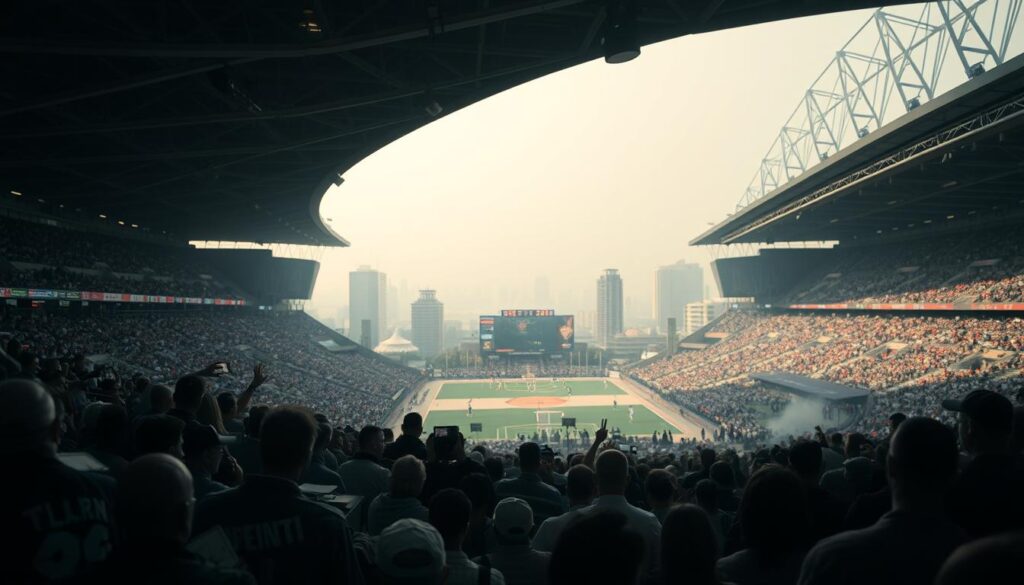
Picture Rio’s 2016 Olympics – the $13.1B party where half the champagne went flat. Why? Leakage. When global corporations supply everything from hot dog buns to security systems, dollars flow out faster than Usain Bolt’s 100m dash. Deloitte’s World Cup analysis found 38% of tournament spending left host cities through:
- Corporate supply chains (think: imported merchandise)
- Non-local labor (that $25/hr parking attendant? She’s commuting from Nebraska)
- Profit repatriation (hotel chains funneling earnings to offshore accounts)
The result? Local taco stands get crumbs while multinationals feast. It’s trickle-down economics meets a colander.
The Rosy Forecast Trap
Ever seen Fyre Festival’s promo videos? That’s how cities approach economic projections. Take Chicago’s failed 2024 Olympic bid – consultants promised $15B in indirect economic benefits, ignoring three truths:
| Event | Projected Impact | Actual Outcome | Reality Check |
|---|---|---|---|
| Rio Olympics | $30B boost | $2.7B debt | Abandoned venues now host graffiti, not athletes |
| 2022 World Cup | 500K new jobs | 82% temporary gigs | Stadium builders left with empty wallets |
| Local Food Festival | “Transform downtown” | 1 taco truck bankruptcy | Never underestimate permit costs |
Measuring economic impact sporting events requires more than Excel wizardry. Ask: Who actually profits? Can Main Street businesses scale for 72-hour demand spikes? (Spoiler: Your neighborhood coffee shop can’t magically become Starbucks by Saturday.)
Conclusion: Turning One Event Into Ongoing Growth
Portland’s marathon didn’t just fill hotel rooms for a weekend. It sparked a $3 billion fitness tourism economy. This shows how one event can become a lasting engine for growth.
The secret is treating every event like a first date. You want a second outing. This approach makes events more than just one-time happenings.
The IOC’s legacy frameworks show how Olympic cities last long after the games. But you don’t need gold medals to make a difference. When Monterey’s Sea Otter Classic partnered with local schools, they created lasting community ties.
Visiting cyclists became part-time residents. This shows how events can build lasting connections in a community.
Chicago’s marathon now brings in more money than Lollapalooza. Runners spend more than music fans. Sports fans don’t just spend money; they build relationships.
A Taylor Swift concert leaves a spark. A major league game leaves fans eager for more. This shows the power of sports events in building community.
The math is simple but powerful: One event + strategic partnerships = endless opportunities. Portland didn’t stop at the marathon. They built trails connecting hotels to breweries.
This turned finish lines into starting lines for year-round spending. This is how you grow an ecosystem, not just host an event. The final whistle is just the beginning of the next season.
