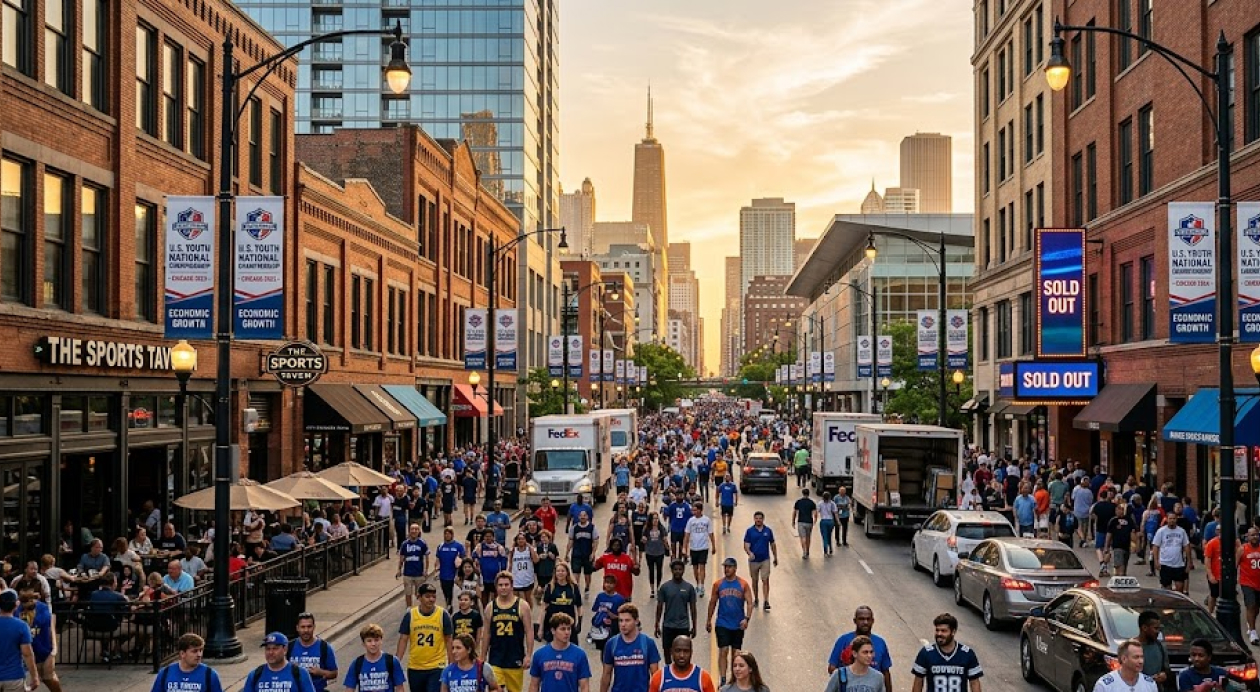
Major sporting events have become much more than entertainment. Across the United States, they are now powerful drivers of local investment, visitor spending, infrastructure improvements, and long-term economic development. From youth tournaments that fill hotels during weekends to global competitions that attract hundreds of thousands of international visitors, sports tourism has evolved into one of the country’s strongest travel sectors.
Recent industry data confirms this momentum. The Sports Events & Tourism Association (Sports ETA) reported that sports-related travel generated $274.5 billion in total economic impact during 2025, supporting more than 1.6 million jobs while attracting approximately 339 million sports travelers nationwide. Those numbers demonstrate why communities of every size are competing to host athletic events that create lasting benefits for residents and businesses alike.
Rather than relying solely on traditional tourism attractions, cities increasingly view sporting events as catalysts that stimulate hotel occupancy, restaurant revenue, transportation services, retail sales, and community engagement throughout the year.
The Numbers Behind America’s Sports Tourism Boom
Sports tourism has expanded well beyond professional championships. Amateur competitions, collegiate tournaments, youth leagues, marathons, cycling races, volleyball championships, wrestling meets, and adaptive sporting events collectively represent a significant share of visitor spending across the country.
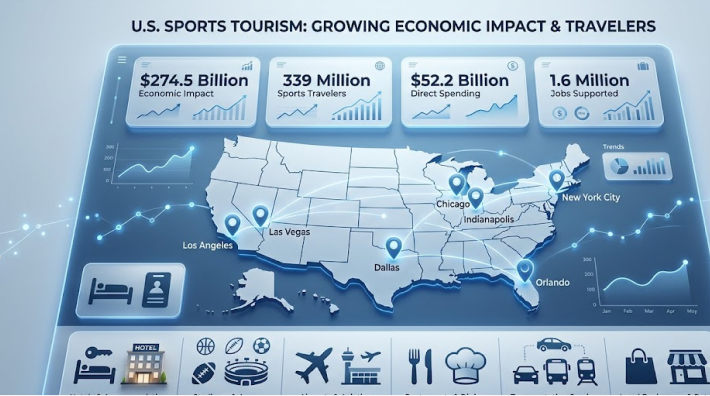
According to the Sports ETA 2026 State of the Industry Report, direct sports traveler spending reached approximately $52.2 billion during 2025, while the broader economic impact climbed to $274.5 billion. The sector also generated billions in tax revenue for federal, state, and local governments.
The report highlights that communities hosting recurring sporting events often experience more stable tourism demand than destinations dependent on seasonal vacations. Weekend tournaments can fill hotels during traditionally slower periods while encouraging visitors to explore museums, shopping districts, parks, and local restaurants.
For local chambers of commerce, this trend presents opportunities to strengthen partnerships between municipalities, hospitality providers, sports organizations, and private businesses. Instead of viewing sporting events as isolated attractions, many communities now integrate them into broader economic development strategies.
Readers interested in how communities maximize these opportunities can also explore our guide to community legacy projects, which examines how long-term planning extends the benefits of major sporting events.
Major Events Create Ripple Effects Across Local Economies
One of the strongest characteristics of sports tourism is its ability to spread spending across multiple industries.
When visitors arrive for tournaments or championships, their expenses extend far beyond purchasing tickets. Hotel stays, rideshare services, public transportation, restaurants, coffee shops, retail stores, entertainment venues, parking facilities, and local attractions all benefit from increased visitor activity.
Cities hosting matches during the 2026 FIFA World Cup have already demonstrated this effect. Seattle, one of the tournament’s U.S. host cities, developed neighborhood fan festivals, cultural programming, and partnerships with small businesses to encourage visitors to spend time throughout the region instead of remaining exclusively near competition venues.
Additional research published by the U.S. Travel Association continues to emphasize that visitor spending supports local employment while strengthening tax revenues that help fund public services and infrastructure improvements. Learn more through the organization’s travel economic research.
The broader lesson is clear: successful sports tourism depends not only on the competition itself but also on creating experiences that encourage longer stays and repeat visits.
| Economic Indicator (2025) | Reported Value |
|---|---|
| Sports Travelers | 339 million |
| Direct Visitor Spending | $52.2 billion |
| Total Economic Impact | $274.5 billion |
| Jobs Supported | More than 1.6 million |
Facilities Have Become Long-Term Community Assets
Modern sports facilities increasingly serve multiple purposes throughout the year.
Many venues now host youth competitions, community festivals, concerts, trade shows, business conferences, educational programs, and nonprofit fundraising events when professional competitions are not scheduled.
This approach improves return on public investment while creating consistent economic activity for surrounding neighborhoods.
Communities also recognize that quality facilities help attract future tournaments. Sports governing bodies often evaluate transportation access, nearby hotels, medical services, public safety, volunteer capacity, and venue flexibility before selecting host destinations.
Recent investments across several states reflect this long-term perspective. Municipal governments continue expanding indoor sports complexes, multipurpose recreation centers, and outdoor athletic venues designed to accommodate regional and national competitions. These projects often generate benefits long after initial construction is complete by attracting recurring events that return every year.
Infrastructure planning has therefore become closely connected with economic development rather than existing as a separate public works initiative.
Community Partnerships Strengthen Every Sporting Event
Successful sports tourism rarely depends on one organization acting alone.
Cities achieving sustained success typically build partnerships among local governments, chambers of commerce, convention and visitors bureaus, educational institutions, nonprofit organizations, sponsors, and volunteer groups.
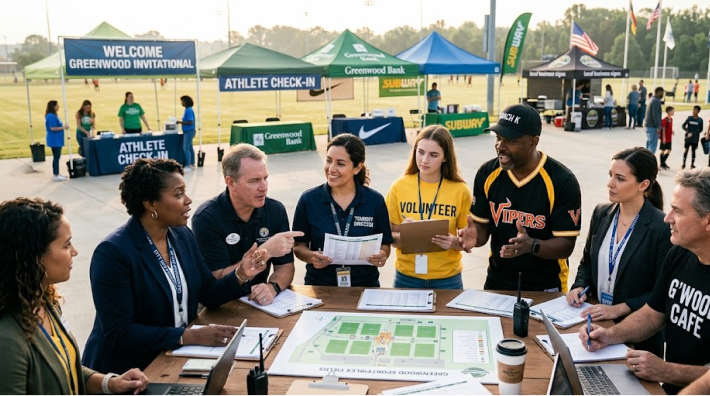
These collaborations allow destinations to coordinate transportation, hospitality, public safety, marketing campaigns, accessibility initiatives, and visitor experiences more effectively.
Several common practices have emerged among leading destinations:
- Developing volunteer ambassador programs that welcome visitors while promoting local businesses.
- Coordinating cultural festivals, food events, and family activities alongside sporting competitions to encourage longer visitor stays.
Seattle’s World Cup preparations provide one recent example of this collaborative model. Local agencies, business organizations, tourism leaders, and neighborhood groups have worked together to extend economic opportunities beyond stadium districts into surrounding commercial areas.
Likewise, numerous youth sporting events across Texas, Florida, Indiana, and North Carolina demonstrate how recurring tournaments can become annual traditions that support hotels, restaurants, retailers, and recreation providers simultaneously.
Technology Is Reshaping Sports Tourism Planning
Data analytics now play a much larger role in how destinations compete for sporting events.
Economic impact studies, visitor mobility data, hotel occupancy forecasting, transportation modeling, and digital marketing campaigns help organizers estimate attendance and improve operational planning.
Artificial intelligence is also beginning to support scheduling, crowd management, and personalized visitor experiences. Destination marketing organizations increasingly analyze traveler behavior before, during, and after events to understand spending patterns and identify opportunities for future growth.
Organizations such as the Sports Events & Tourism Association continue publishing research that helps communities measure return on investment while sharing best practices across the industry.
These analytical tools allow local leaders to make evidence-based decisions when pursuing new sporting events or expanding existing facilities.
Sponsorship Has Expanded Beyond Traditional Advertising
Corporate sponsorship has become another important contributor to sports tourism’s economic growth.
Businesses increasingly seek partnerships that provide meaningful engagement with communities instead of simple logo placement.
Sponsors now support youth clinics, fan festivals, educational initiatives, sustainability programs, accessibility improvements, and volunteer activities connected with sporting events. These investments strengthen community relationships while enhancing the visitor experience.
For local companies, sponsorship opportunities often generate valuable brand visibility among regional and national audiences without requiring the budgets associated with professional sports advertising.
Communities that integrate sponsors into broader event planning frequently develop stronger long-term partnerships that continue beyond a single tournament.
Why Communities Continue Investing in Sports Tourism
The continued expansion of sports tourism reflects more than rising attendance figures. It demonstrates how athletic events can stimulate economic activity while encouraging civic pride, infrastructure improvements, workforce development, and collaboration across public and private sectors.
As destinations compete for future tournaments and international events, success will depend on strategic planning, quality facilities, community partnerships, and visitor experiences that extend well beyond game day.
Industry data suggests sports tourism will remain one of the most influential segments of the American visitor economy. Communities that embrace long-term planning rather than focusing solely on individual events are positioned to create sustainable economic opportunities that benefit residents, businesses, and future generations alike.
