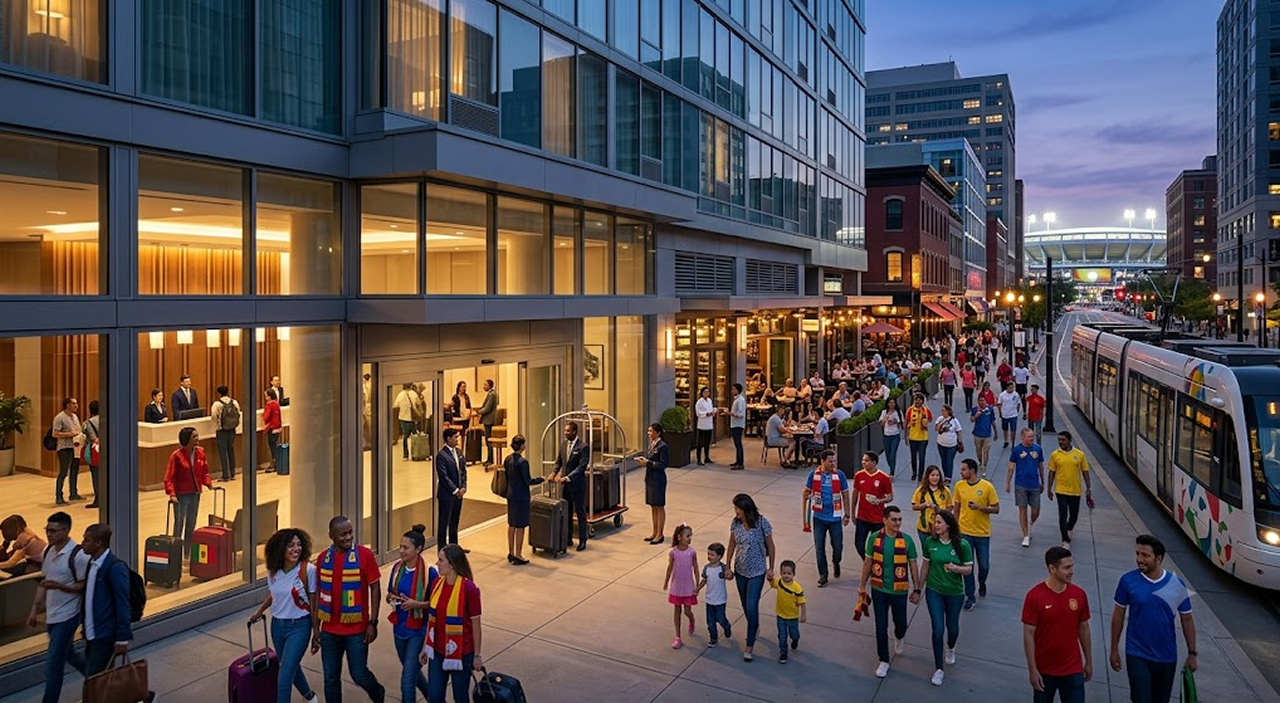
The FIFA World Cup 2026 has delivered more than memorable matches and record-breaking attendance. Across the United States, the tournament has become one of the largest real-world studies of how major sporting events influence travel demand, hotel performance, and regional economic activity. While stadium attendance often dominates headlines, the hospitality sector provides an equally valuable measure of a host city’s ability to convert sporting events into lasting tourism benefits.
Recent industry data suggests that the strongest-performing destinations were not necessarily those with the largest stadiums or the highest-profile matches. Instead, success was closely tied to coordinated tourism strategies, transportation accessibility, destination marketing, and the ability to encourage visitors to extend their stays beyond match day.
According to hospitality analytics firm CoStar, U.S. hotels experienced a 10.9% increase in Revenue per Available Room (RevPAR) during the week of June 28 through July 4, 2026, as FIFA World Cup knockout matches coincided with Independence Day travel. The combination of international visitors and domestic holiday travelers created one of the strongest summer performance periods for many hospitality markets.
For communities interested in sports tourism, these trends provide valuable insights into how major events can support economic development while highlighting the infrastructure and partnerships required to sustain long-term visitor growth.
Hotel Performance Has Become A Leading Indicator Of Sports Tourism Success
Economic impact studies often focus on ticket sales or visitor counts, but hotel performance offers a broader perspective on how travelers interact with a destination.
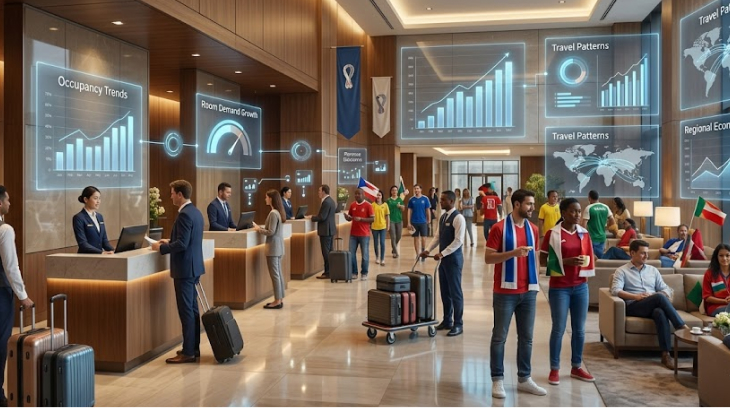
When visitors reserve hotel rooms, they also spend money on restaurants, transportation, retail stores, entertainment venues, museums, and local attractions. Longer hotel stays typically translate into greater economic activity throughout the surrounding community.
Because of this relationship, metrics such as occupancy, Average Daily Rate (ADR), and Revenue per Available Room (RevPAR) have become essential tools for evaluating the effectiveness of sports tourism strategies.
During the FIFA World Cup, hotel demand reflected much more than attendance at individual matches. Markets that successfully encouraged visitors to explore neighborhoods, cultural attractions, and nearby destinations generally experienced stronger hospitality performance than those relying primarily on stadium traffic.
According to the latest CoStar hospitality market analysis, the World Cup and Independence Day holiday created broad-based gains across numerous U.S. hotel markets, with several destinations posting double-digit improvements in room revenue.
These results reinforce an important principle: sporting events generate their greatest economic value when integrated into comprehensive destination experiences.
The Data Shows Regional Differences Matter
Although the World Cup boosted travel across the country, performance varied considerably between host cities.
Markets offering efficient transportation, diverse accommodations, cultural attractions, and multiple entertainment options generally achieved stronger hotel performance than destinations where visitors traveled primarily for a single match.
This variation demonstrates that sporting events alone do not guarantee sustained tourism growth.
Successful destinations combine event operations with broader visitor strategies that encourage travelers to arrive early, remain longer, and explore multiple communities.
Transportation accessibility proved particularly important. Cities with well-developed transit networks allowed visitors to move easily between airports, hotels, downtown districts, entertainment venues, and stadiums without relying exclusively on private vehicles.
Destination marketing organizations also played a significant role by promoting local attractions alongside World Cup activities, encouraging fans to experience museums, waterfront districts, restaurants, parks, and cultural events throughout their stay.
| Hospitality Metric | Why It Matters For Sports Tourism |
|---|---|
| Occupancy | Measures visitor demand throughout the destination |
| Average Daily Rate (ADR) | Reflects market pricing strength during events |
| Revenue per Available Room (RevPAR) | Combines occupancy and pricing into one economic indicator |
| Average Length of Stay | Indicates broader regional economic participation |
These indicators provide a more complete understanding of tourism performance than attendance figures alone.
Richland Chamber recently explored similar themes in its analysis of regional tourism partnerships, highlighting how collaboration between neighboring communities can expand visitor spending beyond individual event venues.
Hospitality Success Depends On More Than Stadium Capacity
One of the clearest lessons emerging from the FIFA World Cup is that large venues alone do not determine economic success.
Host cities with similar attendance figures often produced very different hospitality outcomes because visitors experienced each destination differently.
Communities offering convenient transportation, walkable districts, diverse lodging options, and vibrant entertainment areas created stronger incentives for visitors to extend their trips.
This shift reflects changing traveler expectations.
Modern sports tourists increasingly combine live events with broader vacation experiences. International visitors often schedule additional days before or after matches to explore local attractions, attend cultural festivals, visit nearby destinations, and experience regional cuisine.
Hospitality businesses therefore benefit when sporting events become part of a larger travel itinerary rather than isolated activities.
Organizations such as U.S. Travel Association have consistently emphasized the importance of integrated destination planning in maximizing visitor spending and supporting local economies. Additional research on tourism trends is available through the U.S. Travel Association.
World Cup Travel Is Influencing Future Tourism Strategies
The hotel industry is paying close attention to the World Cup because the tournament provides valuable operational data that extends well beyond soccer.
Hospitality companies, destination marketing organizations, convention bureaus, and economic development agencies are analyzing booking patterns, traveler behavior, pricing strategies, and visitor movement to better prepare for future international events.
Early findings suggest that successful destinations share several characteristics.
They coordinate closely with transportation providers.
They promote regional attractions alongside sporting events.
They encourage longer visitor stays through cultural programming and community experiences.
Perhaps most importantly, they view hotels as essential infrastructure within the broader sports tourism ecosystem rather than simply accommodations for overnight guests.
These insights will continue shaping how American cities prepare for future FIFA tournaments, NCAA championships, Olympic competitions, and other major sporting events that depend on attracting visitors from across the country and around the world.
Destination Marketing Is Becoming Just As Important As Event Operations
One of the strongest patterns emerging from the FIFA World Cup is that hospitality performance increasingly depends on how effectively destinations market the entire visitor experience rather than the sporting event alone.
Cities that connected matches with cultural attractions, entertainment districts, waterfront destinations, shopping, museums, and regional experiences created stronger incentives for visitors to extend their trips. Longer stays translated into additional hotel nights and greater spending throughout local economies.
This approach represents a significant shift from traditional event planning.
Historically, host cities concentrated resources around stadium operations and security. While those remain essential priorities, today’s visitors expect destinations to offer memorable experiences before and after competitions. The result is a tourism strategy where hotels, restaurants, transportation systems, cultural institutions, and local businesses all become part of the sporting event ecosystem.
The U.S. Travel Association has consistently emphasized that travel infrastructure and destination promotion play a critical role in maximizing the economic benefits generated by large-scale events. Additional industry research is available through the U.S. Travel Association’s travel research.
For destination marketing organizations, the World Cup reinforced the value of coordinated campaigns that encourage visitors to discover neighborhoods and attractions beyond official venues.
Transportation And Hospitality Are Increasingly Connected
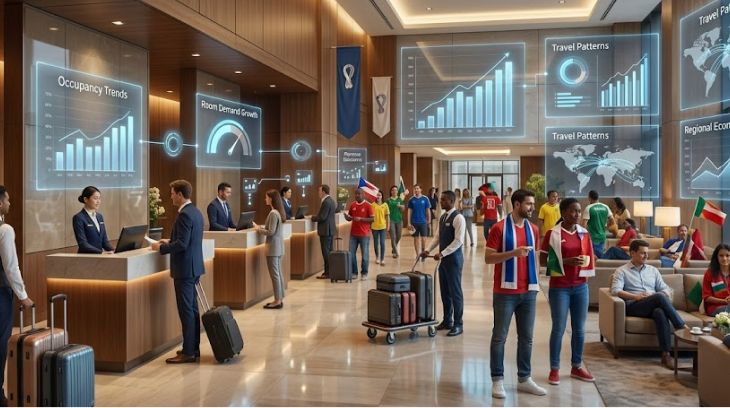
Another important lesson from the tournament is the close relationship between transportation accessibility and hotel performance.
Visitors are more likely to book accommodations throughout a metropolitan region when reliable public transportation makes stadiums, airports, entertainment districts, and business centers easy to reach.
Cities such as Boston, Los Angeles, and the San Francisco Bay Area demonstrated how investments in commuter rail, light rail, regional transit, and coordinated shuttle services supported broader tourism activity during the World Cup.
Efficient mobility expands lodging choices by allowing visitors to stay in neighborhoods farther from competition venues while maintaining convenient access to matches and attractions.
This geographic flexibility benefits hotels across an entire region instead of concentrating demand within a limited area surrounding stadiums.
For economic development organizations, transportation therefore represents more than infrastructure. It directly influences visitor distribution, hotel occupancy, local business participation, and overall tourism competitiveness.
Richland Chamber recently examined this relationship through its analysis of regional tourism collaboration, highlighting how transportation planning and hospitality growth increasingly work together to strengthen sports tourism destinations.
The Hospitality Industry Is Learning From Visitor Behavior
Beyond occupancy and room revenue, the World Cup generated valuable information about how sports travelers make decisions.
Hospitality companies are studying booking windows, average lengths of stay, preferred lodging locations, and spending patterns to improve future event planning.
Several trends are already becoming clear:
- Visitors increasingly combine sporting events with leisure travel, extending trips to experience local attractions.
- Flexible transportation networks encourage travelers to stay in a wider variety of communities.
- Regional destination marketing creates opportunities for hotels beyond the immediate vicinity of event venues.
- International sporting events generate long-term visibility that can support future tourism even after competitions conclude.
These findings suggest that sports tourism strategies should focus on visitor experiences throughout the entire travel journey rather than concentrating solely on event operations.
Communities capable of integrating hospitality, transportation, entertainment, and cultural programming are likely to remain more competitive when attracting future international competitions.
What These Trends Mean For Future Host Communities
The hospitality data emerging from the FIFA World Cup offers valuable guidance for cities preparing to host major sporting events over the coming decade.
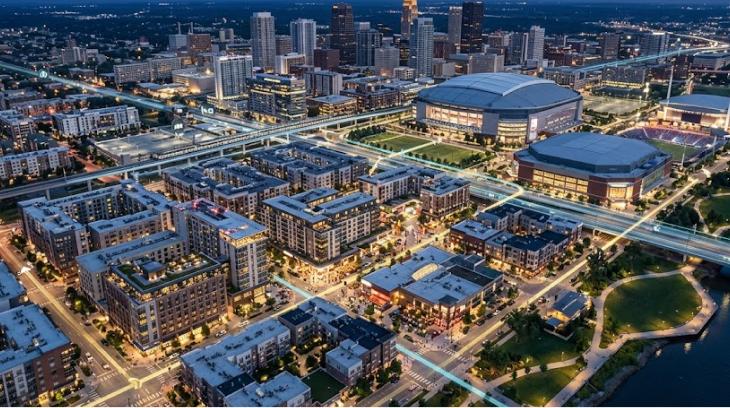
Rather than measuring success exclusively through attendance figures, communities are increasingly evaluating broader indicators that reflect sustainable economic growth.
Future planning will likely emphasize:
- Strong partnerships between hotels, tourism organizations, transportation providers, and local governments.
- Investments in mobility systems that improve regional accessibility.
- Marketing campaigns that promote complete destination experiences.
- Community programming that encourages visitors to extend their stays beyond competition schedules.
This integrated approach strengthens resilience because infrastructure improvements and tourism partnerships continue delivering value long after the final match has been played.
For local businesses, hospitality performance during the World Cup demonstrates that sporting events can generate opportunities extending well beyond stadium districts. Restaurants, retailers, museums, cultural venues, and neighborhood attractions all benefit when visitors spend additional days exploring a destination.
The tournament also reinforces a broader trend shaping American tourism.
Future host regions will increasingly compete on the quality of their visitor experience rather than the size of their venues alone. Transportation efficiency, hospitality capacity, destination branding, and regional collaboration are becoming equally important factors in determining long-term success.
The FIFA World Cup has shown that hotels are more than accommodations for traveling fans. They are indicators of how effectively a community transforms international sporting events into lasting economic opportunity. Communities that integrate hospitality with transportation, destination marketing, and regional partnerships will be better positioned to attract future events while creating benefits that continue supporting residents, businesses, and visitors for years to come.
