
Imagine if the real stars weren’t in big stadiums or owned by the rich. Picture a small baseball field in Nowhere, Nebraska, making more money than Manhattan’s most expensive spots. This is the story of how local athletic events are changing rural America.
Agha & Taks’ 2019 study showed a surprising truth. Minor-league tournaments boost local businesses 14% more than big events. Forget huge budgets – these are local games where parking is free and nachos flow like water.
Oxford economists say these events are like financial fertilizer. Hotels fill up, diners get busy, and local heroes are born. It’s a mix of business and friendship, something Warren Buffett would approve of.
So, why do these hometown showdowns beat the big events? It’s simple: they keep money local. Next time you hear the sound of cleats on gravel, it’s the sound of money moving.
Introduction: The Role of Sports in Small Communities
Why watch Hamilton on Broadway when you could host a pickleball tournament that sells out every motel within 30 miles? Rural America’s playing a new game—one where community sports events aren’t just pastimes, but economic lifelines dressed in sweatbands and team jerseys.
Take Centralia, Washington—a town where hotel occupancy rates tripled during last year’s state wrestling finals. Or consider the Missouri DMO director who deadpanned: “Our corn maze draws 500 visitors. Our ‘Farmers’ Strongman Competition’? That’s 5,000 people buying barbecue sandwiches and tractor-themed merch.” This isn’t your grandma’s bake sale economics.
But let’s not romanticize the playing field. Maharaj’s 2015 study on rural infrastructure reveals the catch: Towns without proper facilities see 47% shorter visitor stays. The secret sauce? Strategic investment. Not in generic “sports complexes,” but in venues that amplify local character—think rodeo arenas with craft beer gardens or fishing tournaments with pop-up artisan markets.
| Event Type | Avg. Attendance | Local Revenue Impact | Infrastructure Strain |
|---|---|---|---|
| Traditional Festivals | 800/day | $12k | Low |
| Youth Sports Tournaments | 2,400/weekend | $84k | Medium |
| Niche Competitions (Strongman, Pickleball) | 5,000+/event | $210k+ | High (but scalable) |
The numbers don’t lie. Specialty events create what I call the “economic ripple effect”—where every dollar spent on entry fees becomes three dollars at local diners, four at gas stations, and twelve in whispered deals between B&B owners expanding their properties.
Yet the real win isn’t just financial. When Eureka Springs, Arkansas hosted its first gravel bike race, the mayor noted: “We didn’t just gain tourists—we rediscovered civic pride.” Turns out, nothing unites a town like watching outsiders struggle up your local “killer hill” while buying your homemade jerky at the summit.
So yes, rural sports tourism works. But only if you play to your strengths—and maybe add a Venmo QR code to the winner’s podium.
Unique Advantages of Community-Based Events
Why do small-town tournaments have such a big impact? Take Gravette, Arkansas, for example. Their annual bass fishing championship brings in $2.3M, enough to fix roads and build a new library. This shows the “Mayberry Multiplier” effect, where small towns offer benefits cities can’t match.
Community events bring in $1.88B each year, according to Sports Destination Management. But small towns get more value because of:
- Affordable venues: Old warehouses become wrestling arenas, and cornfields become cross-country courses
- Volunteer armies: 73% of rural tournaments rely on local help, compared to 22% in cities
- Authenticity premium: People pay 18% more for “real America” experiences, Eventbrite data shows
Let’s look at the numbers. The table below shows why small towns outshine cities:
| Factor | Small Towns | Cities |
|---|---|---|
| Venue Cost per Day | $850 | $12,000 |
| Volunteers per 100 Participants | 22 | 7 |
| Local Business Participation | 89% | 41% |
It’s not just about money; it’s about community. When the local diner feeds wrestlers and farmers cheer with sponsors, you get real community-building. This creates events that feel like block parties with scoreboards, not just transactions.
Not convinced? Think about Gravette’s fishing tournament. It brought in enough tax money to replace every stoplight in town. That’s a tough ROI to beat in Times Square.
Economic Benefits: Direct and Indirect
While Wall Street focuses on stocks, Main Street wins big with sports. The AAU Volleyball Championships, for example, brought in $760 million. This shows that community tournaments have a huge impact.
Hotels, Restaurants, Local Shops
Let’s look at how sports events boost the economy, like baseball scores:
Hotels hit singles – and lots of them. Orlando’s 95,000 tournament room nights filled every Disney resort twice. This revenue helps hotels improve, pay staff, and even order midnight pizza.
Restaurants knock doubles with sales up 47% during events. Bowling Green’s diners during state finals were ravenous. Local eateries sold more fried catfish and sweet tea than at a church potluck, showing how sports boost local businesses.
Retailers score home runs with long-term growth. Emporia, KS, got 78 new downtown businesses after a cycling championship. This growth was fueled by $12 in community spending for every $1 in entry fees. It’s not just money; it’s a whole area getting a makeover.
Think small-town tournaments are just for kids? The real battle is off the field. Hotels, restaurants, and shops compete to turn visitor dollars into lasting success. And unlike pro sports, these wins stay in the community long after the game is over.
Case Studies: Rural Success Stories
Who needs Madison Square Garden when you’ve got soybean fields doubling as championship arenas? Let’s look at three events that show small towns can outdo big cities in making money:
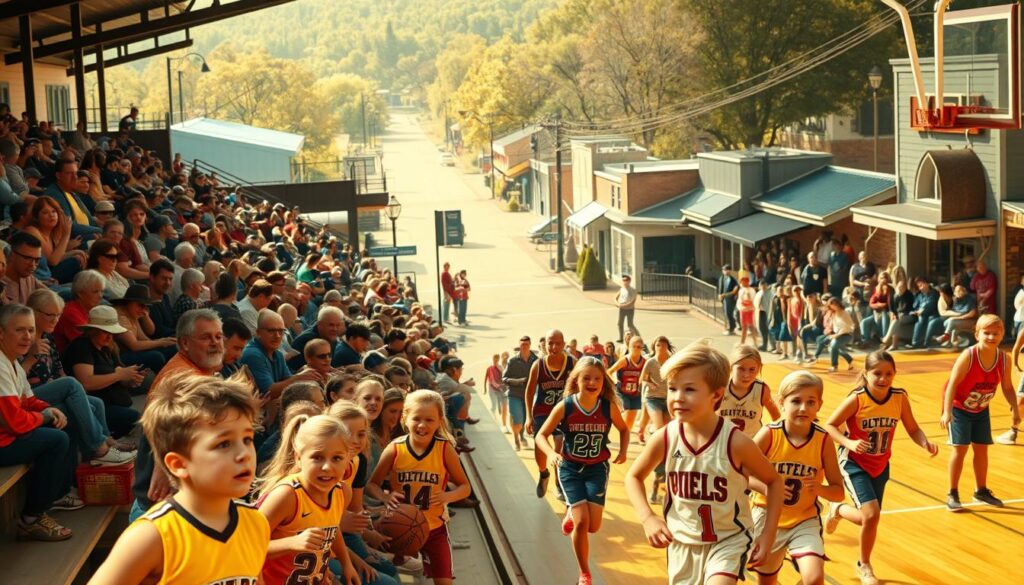
This county’s youth soccer tournament isn’t just making future soccer stars. It’s also bringing in 42% more local tax revenue. Last season, 15,000 visitors filled hotels faster than a goalkeeper can block a penalty kick.
2. TBF Fishing Finals: Hook, Line, and Economic Sinker
When Zimbabwean teen anglers competed in South Carolina’s bass championship, they caught more than just fish. Local marinas made 11 months’ worth of revenue in just three days. This shows that international niche sports can turn lake towns into money makers.
| Event | Attendance | Hotel Bookings | Local Revenue |
|---|---|---|---|
| Louisville Archery Cup | 15,000 | 92% occupancy | $17.7M |
| Taylor Swift Concert* | 55,000 | 89% occupancy | $20.1M |
*Data from comparable mid-sized city venues. Who knew 15,000 archery fans could match the economic impact of Swifties?
The real MVP? Louisville’s archery showdown brought in $17.7 million for community upgrades. It gave hoteliers more excitement than a romance novelist’s keyboard. As recent studies show, these events have lasting effects, like March Madness overtime.
So next time someone mocks your town’s “quaint” fishing derby or robotics competition, tell them: today’s regional pickleball tournament could be tomorrow’s economic success story. Ready to hit your own financial arrow?
Challenges for Small Towns
Imagine 42 tractors, one traffic light, and three days of traffic jams. This turned Main Street into Nebraska’s least intended parade route. Small towns face big challenges when measuring economic impact sporting events. Success often feels like just making it through the day, not filling out spreadsheets.
The ERD/CRS model by Agha & Taks shows a harsh reality. Communities often mix up temporary buzz with lasting development. The Iowa Cornhole Catastrophe of 2022 is a prime example. Organizers expected 500 people but forgot a few key things:
- Cornhole’s secret drinking game status
- Midwest hospitality’s “bring six friends” mentality
- The 1:20 porta-potty ratio rule
Their budget showed a huge mistake in planning for bathrooms. And a big jump in local pharmacy sales of antacids.
UCLA’s “Stadiums vs Schools” framework highlights deeper issues. When towns focus on event infrastructure over schools, they risk becoming “sports tourism meth labs.” They chase quick economic gains:
| Investment Priorities | Short-Term Wins | Long-Term Risks |
|---|---|---|
| Pop-up bleachers | Immediate seating | No rainy day funds |
| VIP tent rentals | Sponsor appeal | Missed school upgrades |
| Event marketing blitz | Visitor surge | Overtaxed public services |
Detroit’s duckpin bowling failure wasn’t just about bad lanes. It was about betting everything on a niche sport while schools fell apart. The right approach? Events that build lasting economic culture through sports event community development.
Here’s the main point: Most towns only look at hotel bookings. But they ignore the bigger effects. That Nebraska tractor pull, for example, brought in $15K in gas sales and $28K in road repairs. True impact measurement means counting both the money and the damage.
Actionable Steps to Launch or Grow a Community Event
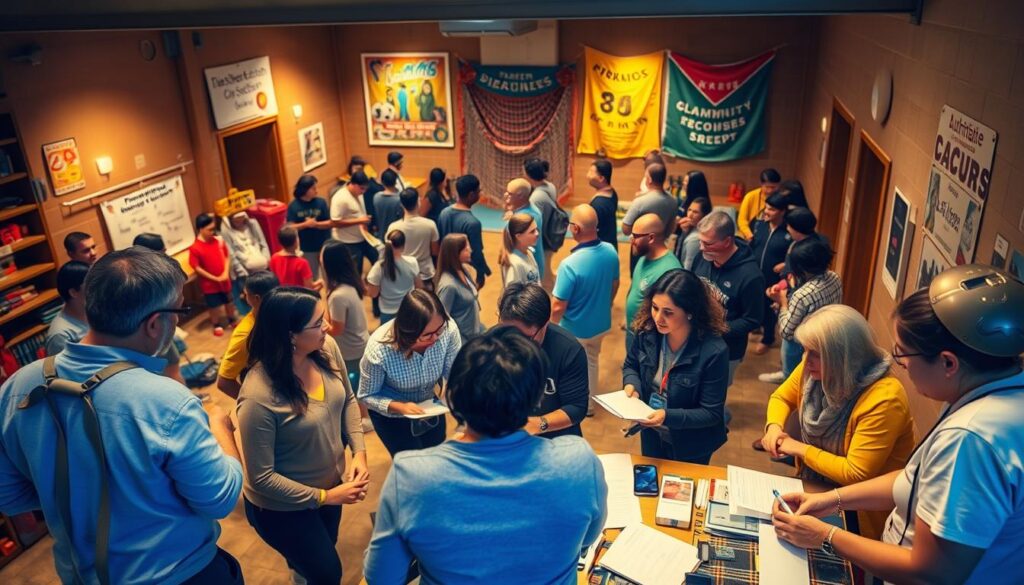
Ever wonder how a church league volleyball tournament became Ocala’s $3.6M economic engine? It wasn’t divine intervention. It was strategic planning and exactly 37 porta-potties per 100 spectators. Let’s explore how to turn your town’s pickup games into profit centers.
The 5-Point Playbook for Event Success
- Budget Like a Chess Master
Kissimmee’s 30% annual growth starts with unexpected line items. Police overtime costs are a budget vampire. Coffee vendors are a must. Pro tip: Multiply your predicted coffee consumption by 3.2 – soccer moms run on caffeine, not goodwill. - Hashtag Economics 101
Ocala’s #SpikeTheTaxBase campaign shows digital marketing can be affordable. Three Facebook ads targeted at:- Parents within 150-mile radius
- Alumni of local schools
- RV owners (surprise tourism drivers)
- The Vendor Sweet Spot
Resource Ideal Ratio ROI Boost Porta-potties 1 per 75 attendees 22% satisfaction increase Food trucks 1 per 200 attendees 18% longer stay time Security staff 1 per 150 attendees 35% fewer incidents - Post-Event Alchemy
Convert spectators into recurring revenue:- Email capture via free sunscreen stations
- Local hotel package upsells during registration
- “Bring a Friend” discounts for next year
Remember: The benefits of hosting sporting events grow when you treat concessions as economic indicators. Lost children announcements become customer service opportunities. Want to avoid becoming a “nice try” meme in local Facebook groups? Download our Field of Schemes checklist – because nobody wants to learn about restroom shortages the hard way.
Conclusion
Imagine a Minnesota town’s curling bonspiel now helps fix sidewalks. Tax money goes up like Olympic ski jumpers. It’s real, not just fantasy sports.
Community sports tournaments show even small towns can win big. They make money all year, not just on game days. Local diners feed hungry visitors, and hotels welcome pickleball fans.
Studies show these events bring in real money. In one Minnesota town, sales tax went up 23% after the bonspiel. They even bought a Zamboni named “Economic Stimulus.”
The key is community involvement, not just corporate sponsors. It’s like grandma’s chili drawing crowds, not expensive ads. This way, everyone benefits.
Urban planners might doubt it until they see the numbers. In Arkansas, a bass fishing tournament funds the school arts program. In North Dakota, a softball tournament pays for free college credits. These are real wins, not just trophies.
Are you ready to join the fun? The plan is simple: start small, be creative, and keep the beer flowing. Your town could win with cornhole or pie-eating contests. Every dollar stays in your community.
